Council Financial Performance: Are Tenants Paying the Price?
The Council’s financial reporting appears to shift the burden onto Cheltenham tenants. Tomorrow, at the Council meeting on 20 July, the administration will present their financial performance for the 2025/26 year. We expect the Cabinet Member for Finance to deliver a polished presentation focusing on prudent management, stability, and the successful in-housing of services. They will point to a surplus in the Housing Revenue Account (HRA) and an increase in reserve funds as proof of their competence.
From our perspective, the administration’s approach prioritises specific financial ratios over the maintenance of tenant homes. The impact of these financial strategies is being felt directly by the council tenants of Cheltenham.
The Surplus That Should Not Exist
The Council is reporting an HRA surplus of £141,669 and is highlighting that they have managed to build back their reserve funds. This reserve pot was bolstered by the decision to bring Cheltenham Borough Homes back into direct Council control.
However, we believe it is important to examine the mechanism behind this result. The HRA capital programme, which is the fund designated for your homes, was budgeted to spend £33.122 million. In reality, the Council spent £27.874 million—a total underspend of over £5 million.
The administration describes this as "slippage" due to timing. However, the consistent underspend suggests that the delay in maintenance programmes is a result of prioritisation decisions made by the Council.
Tenants Are Paying for Renewals They Are Not Receiving
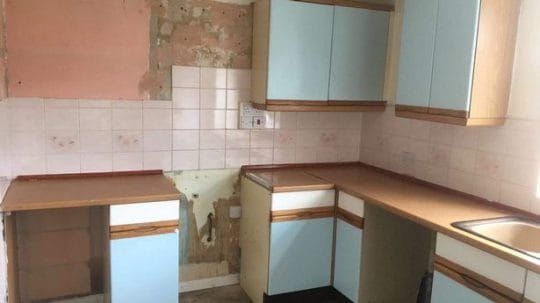
This is a central concern regarding these accounts. You, the tenants, were subject to a 4.88% rent increase this year. That increase was presented to tenants as necessary to maintain a high-quality service and ensure the sustainability of your homes, including the replacement of worn-out kitchens, bathrooms, boilers, and windows.
Yet, much of this work has not occurred. Instead of delivering those essential upgrades, the Council has retained that £5 million. By not spending that money on your homes, they have avoided approximately £226,000 in interest payments on potential borrowing. It appears that the budget has been balanced by delaying the improvements you have already paid for through your rent.
The Structural Failure of the Self-Financing Model
Because the HRA is ring-fenced, it appears the Council is prioritising a positive bottom line and the health of the reserve fund over the physical condition of the housing stock, while failing to fully acknowledge the impact of these financial strategies on the housing stock.
This, in our view, represents a failure of public service. The council has a duty to deliver value for money to its tenants. It should not be managing the decline of its assets to improve financial ratios for audit purposes. When the Cabinet Member stands up tomorrow to present these figures, we need to see him held to account. The budget appears to be balanced by ensuring tenants continue to live in homes with outdated and failing facilities.
Our Challenge to the Administration
Tomorrow, we want to see the opposition pushing back on these figures. We want answers to the following questions:
- The Human Impact: If £5 million of capital improvements were not delivered, will the Council provide a list of the specific kitchens, bathrooms, and windows that remain worn-out because of this slippage?
- The Rent Double-Standard: How can the administration justify a 4.88% rent increase when the capital works that money was meant to fund have been systematically delayed?
- Reserve Priorities: Why is the building back of reserve funds being prioritised over the immediate maintenance of the homes that people are currently paying rent to occupy?
A council’s duty is to its tenants. If the administration cannot keep up with the work required to provide decent homes, they should address why their accounts are being presented as a success.
Sources: Cheltenham Borough Council Meeting Agenda and Minutes (20 July 2026); Housing Revenue Account Outturn Report 2025/26; Budget and Treasury Management Strategy 2025/26.